Record Year for Øresund – Now the Political Map Is Being Redrawn
 Record numbers are commuting and travelling across the Øresund. At the same time, the Øresund region faces a political shift as Region Østdanmark is formed on 1 January 2027. The Øresund is already the most accessible region in the Nordic countries, and investment in Copenhagen Airport and the Fehmarn Belt tunnel will strengthen accessibility further. It also brings investment in local infrastructure. The elections in Sweden and Denmark brought mild left-wing winds, but historically weak results for the Social Democrats in each country.
Read the full report here.
The eleventh edition of State of the Region – Analysis of Danish-Swedish Cooperation 2026 includes:
- an overview of important events, trends and changes in cooperation between Denmark and Sweden and in the Øresund region.
- an in-depth section focused on the super election year, with parliamentary elections in both countries.
- an overview of Danish-Swedish organisations and new faces in the cooperation.
- a unique history of cooperation between the countries and of the development of the Øresund region.
——-
Highlights from the Analysis
Rush Across the Øresund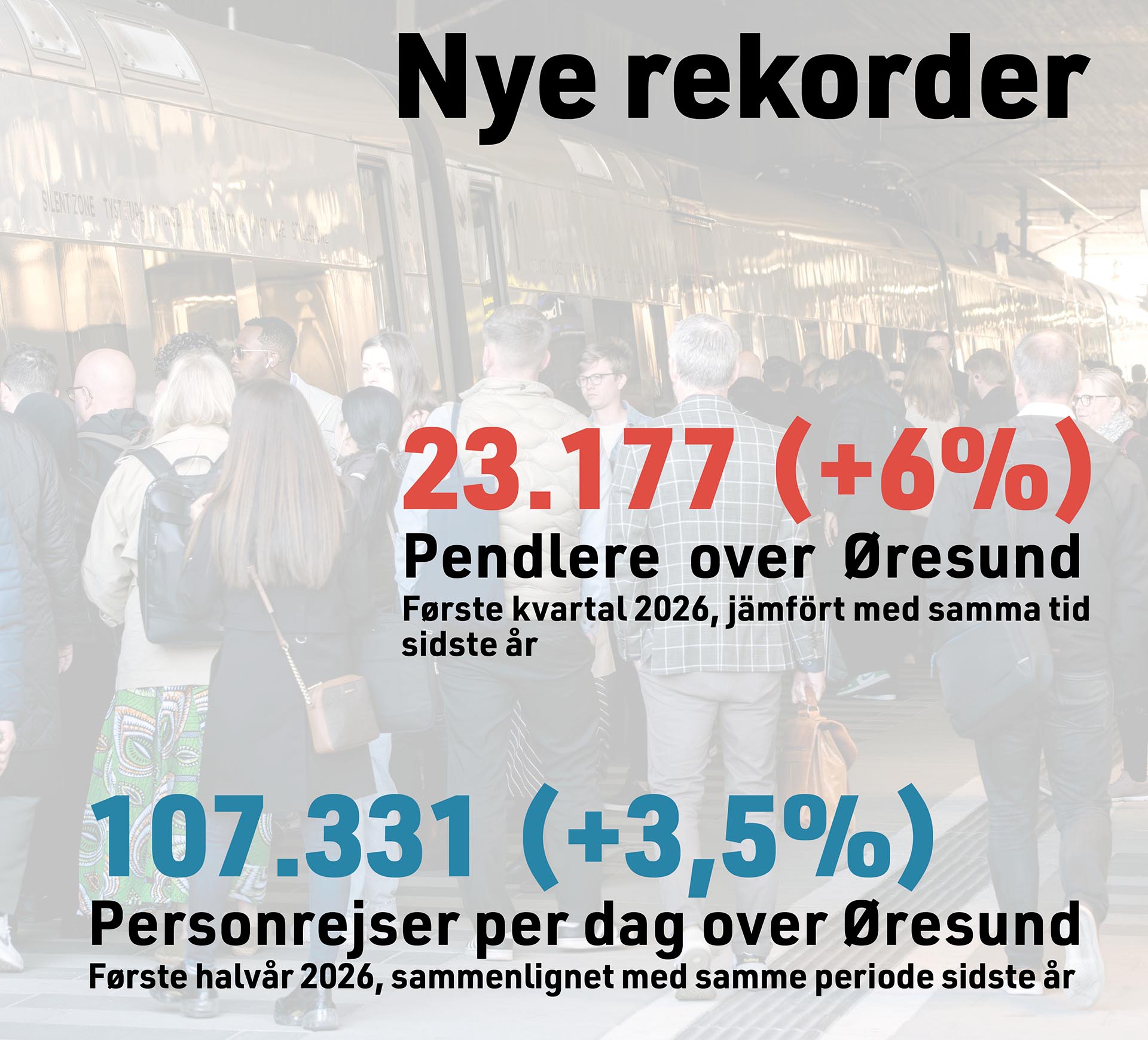
TRAVEL & COMMUTING. The past year has been a successful one for the Øresund region and Danish-Swedish cooperation. The first half of 2026 brought new records for passenger and commuter journeys by car, train and ferry across the Øresund. 107,000 passenger journeys a day were recorded across the Øresund in the first six months of the year, 3.5 per cent more than in the same period last year. Cross-border commuting in the region has also hit a new peak, with 23,177 commuters in the first quarter of 2026, up six per cent on the same period in 2025. The number of commuters thus continues to rise, a trend that has held since society reopened after the coronavirus pandemic.
Geopolitics Steps Up Danish-Swedish Cooperation
SUPER ELECTION YEAR. It has been a super election year in the Øresund region, with parliamentary elections in both Sweden and Denmark. The new geopolitical reality, with Russia’s war in Ukraine and an unpredictable USA, has opened a window for closer Nordic cooperation, which is now written into the Danish government declaration.
Despite heavy election losses and historically poor results for the Social Democrats in both Sweden and Denmark, both countries look set to get governments that lean left and reach across the centre. But while the compromises that shaped the Danish government are praised, the Swedish parties warn of broken promises to voters if new agreements and renegotiated red lines emerge.
Swedish Government Negotiations Continue After Narrow Victory for the Opposition
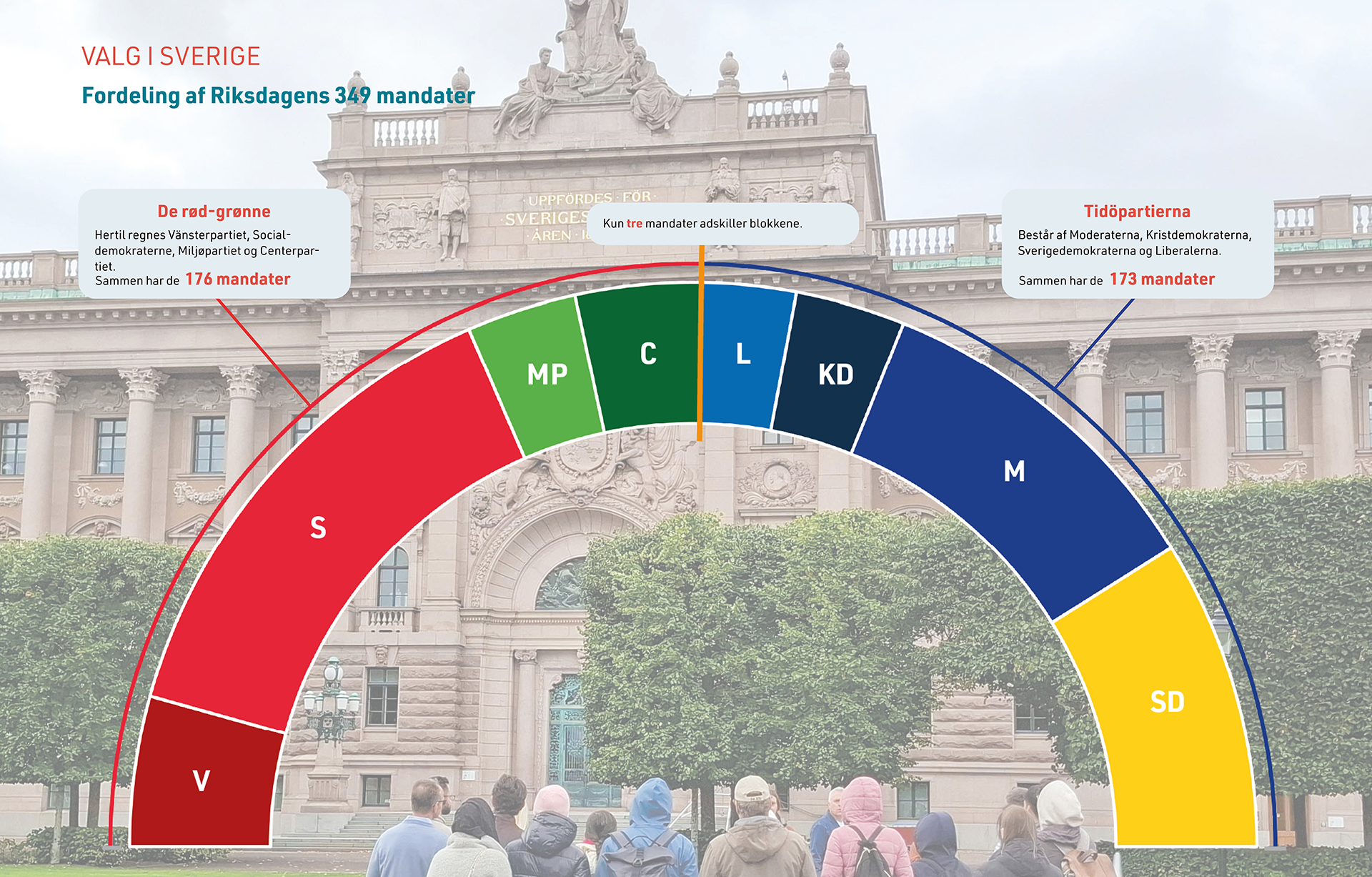
Distribution of seats in the Swedish Parliament:
- Socialdemokraterna: 90
- Moderaterna: 70
- Sverigedemokraterna: 62
- Vänsterpartiet: 30
- Centerpartiet: 25
- Kristendemokraterna: 22
- Miljöpartiet: 22
- Liberalerna: 19
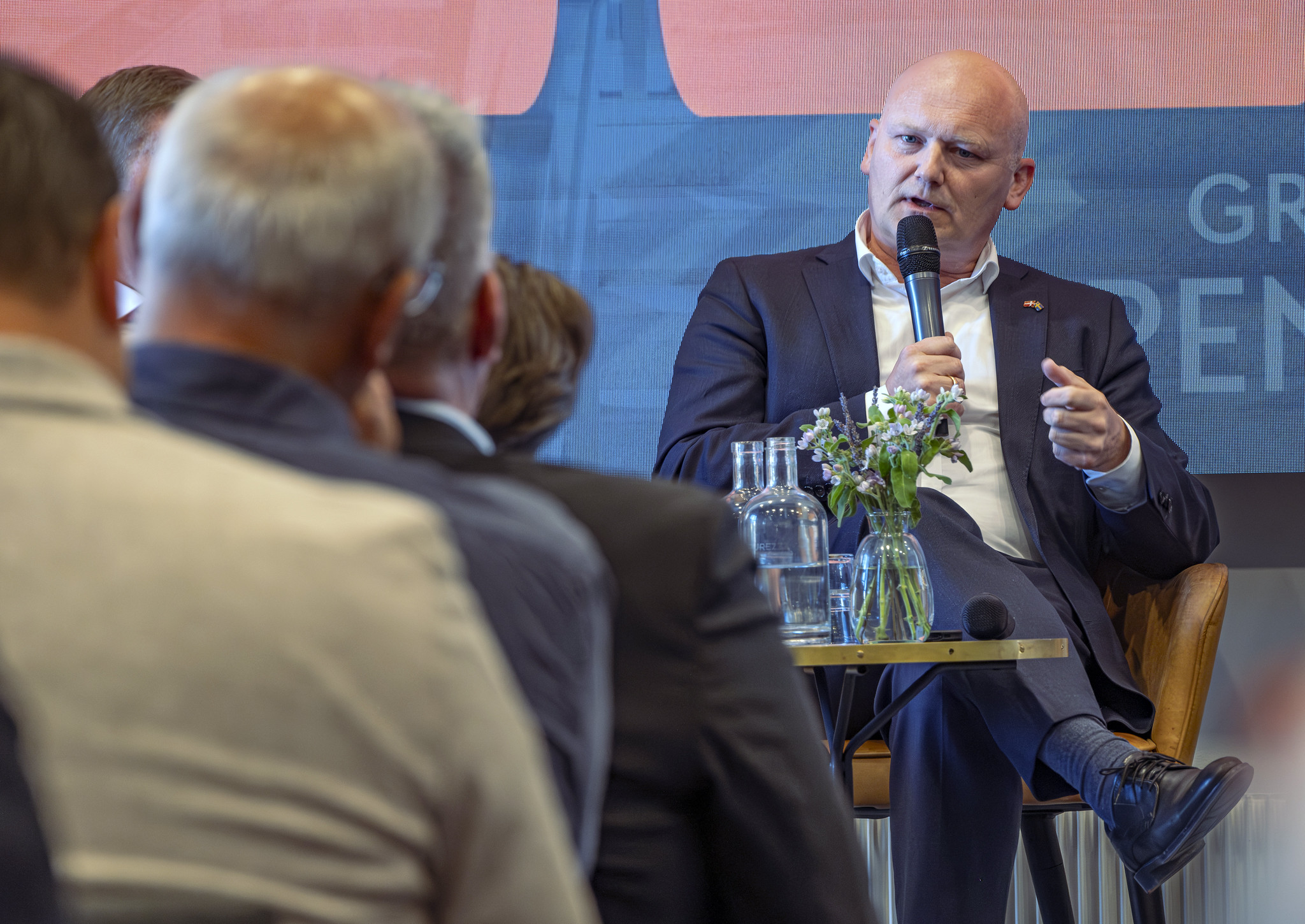 Region Østdanmark Formed at the Turn of the Year – Home to Almost Half of Denmark’s Population
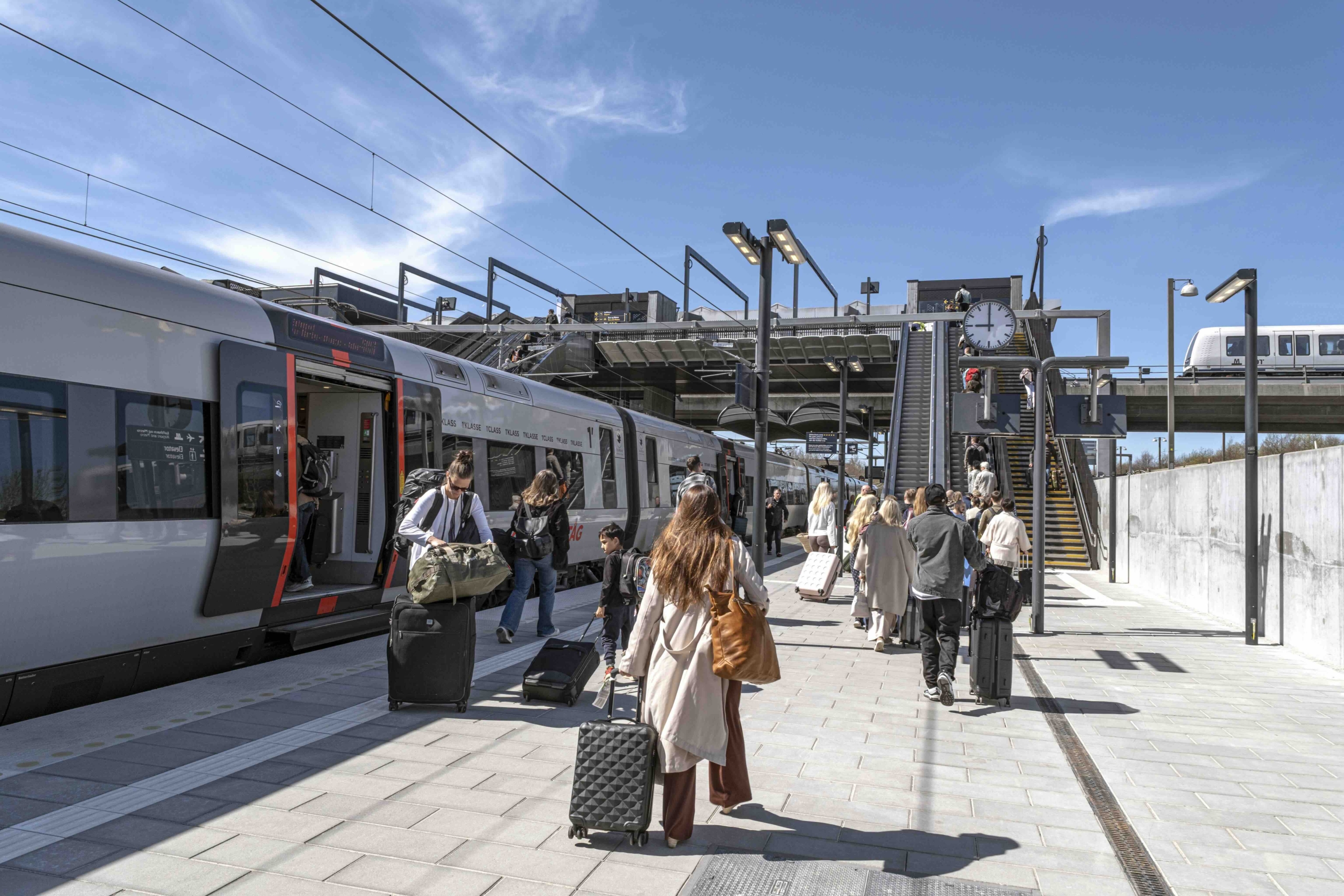 The Øresund Is the Most Accessible Region in the Nordic Countries
ACCESSIBILITY. Copenhagen’s fast-growing airport is the largest in the Nordic countries and is being expanded, while serving as the hub for SAS’s major push into new long-haul flights. The Fehmarn Belt tunnel is under construction, with a transport corridor from the Øresund Bridge to Rødbyhavn. Railways in northern Germany and southern Sweden are being upgraded, though behind schedule. Ports are growing. With all the investment in accessibility, the Øresund is becoming the most accessible region in the Nordic countries.
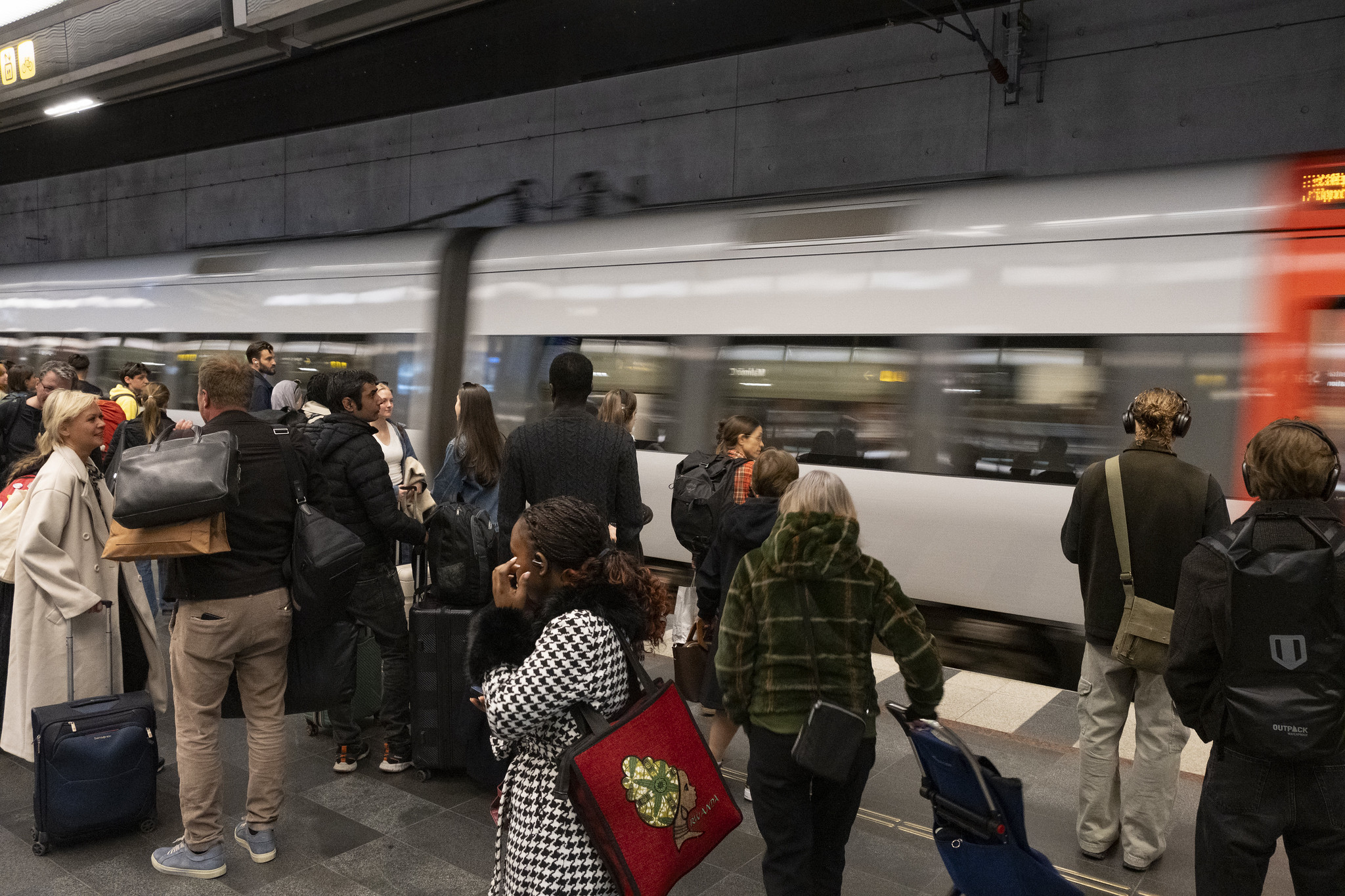 Sick Cross-Border Commuters Risk Being Left with No Income at All, and Pensioners Risk Double Taxation
BORDER OBSTACLES.
- After four months on sick leave, Øresund commuters who work in Denmark risk ending up with no sickness benefit at all. Since October 2025 the Swedish Social Insurance Agency has followed new rules under which income from abroad is not counted when the sickness benefit qualifying income (SGI) is set in Sweden.
- Pensions are a major source of uncertainty for Nordic cross-border commuters. The systems do not talk to each other, the rules are interpreted differently, and citizens have to become their own project managers to find out what they will get in pension. With bad luck, the pension may also be taxed twice, especially for occupational pensions. This is shown by a new report from the Nordic Council and the Nordic Council of Ministers.
New Faces in the Cooperation
NEW IN POST.
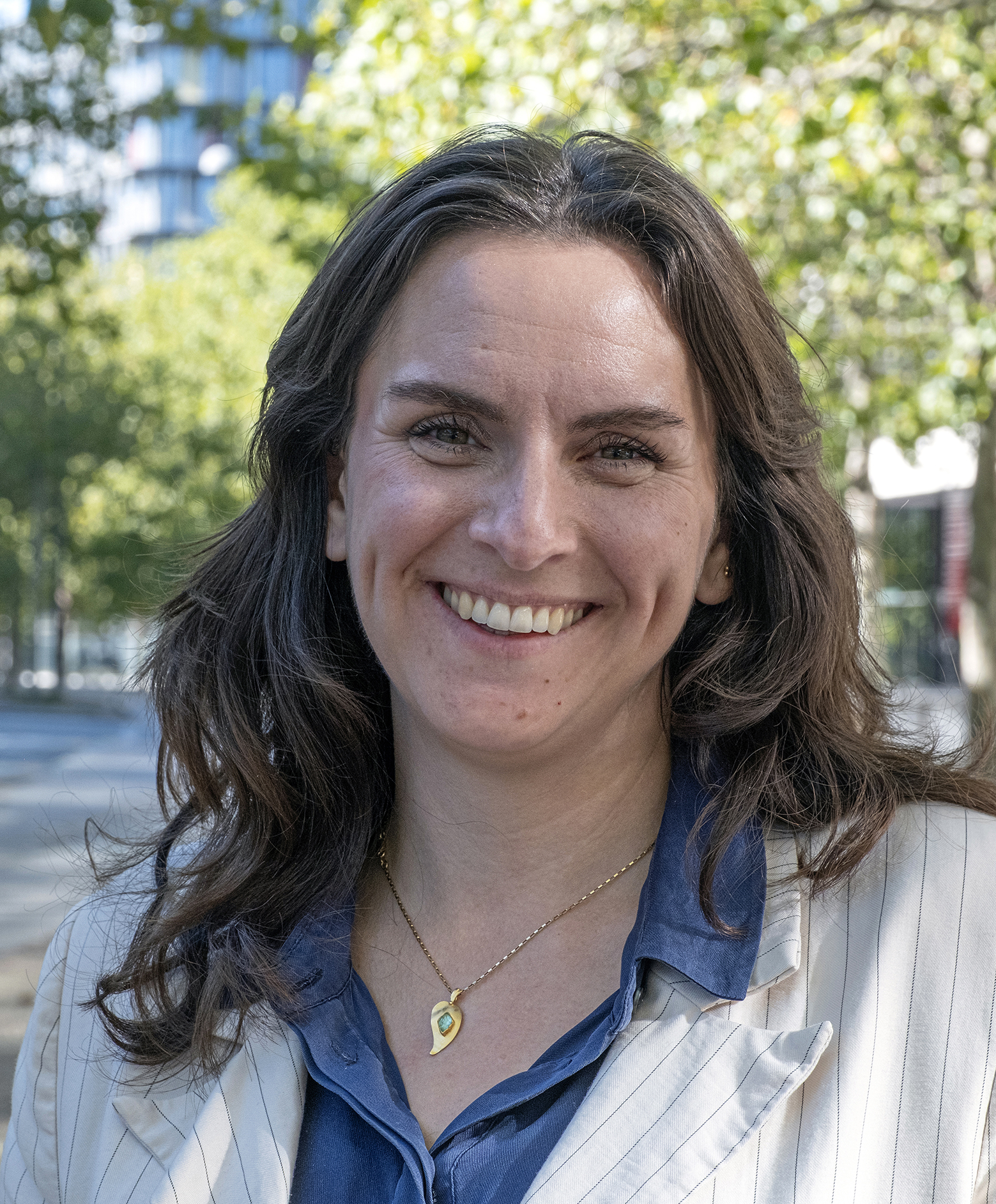
Monika Rubin (Moderaterne) – new Minister for Nordic cooperation in Denmark
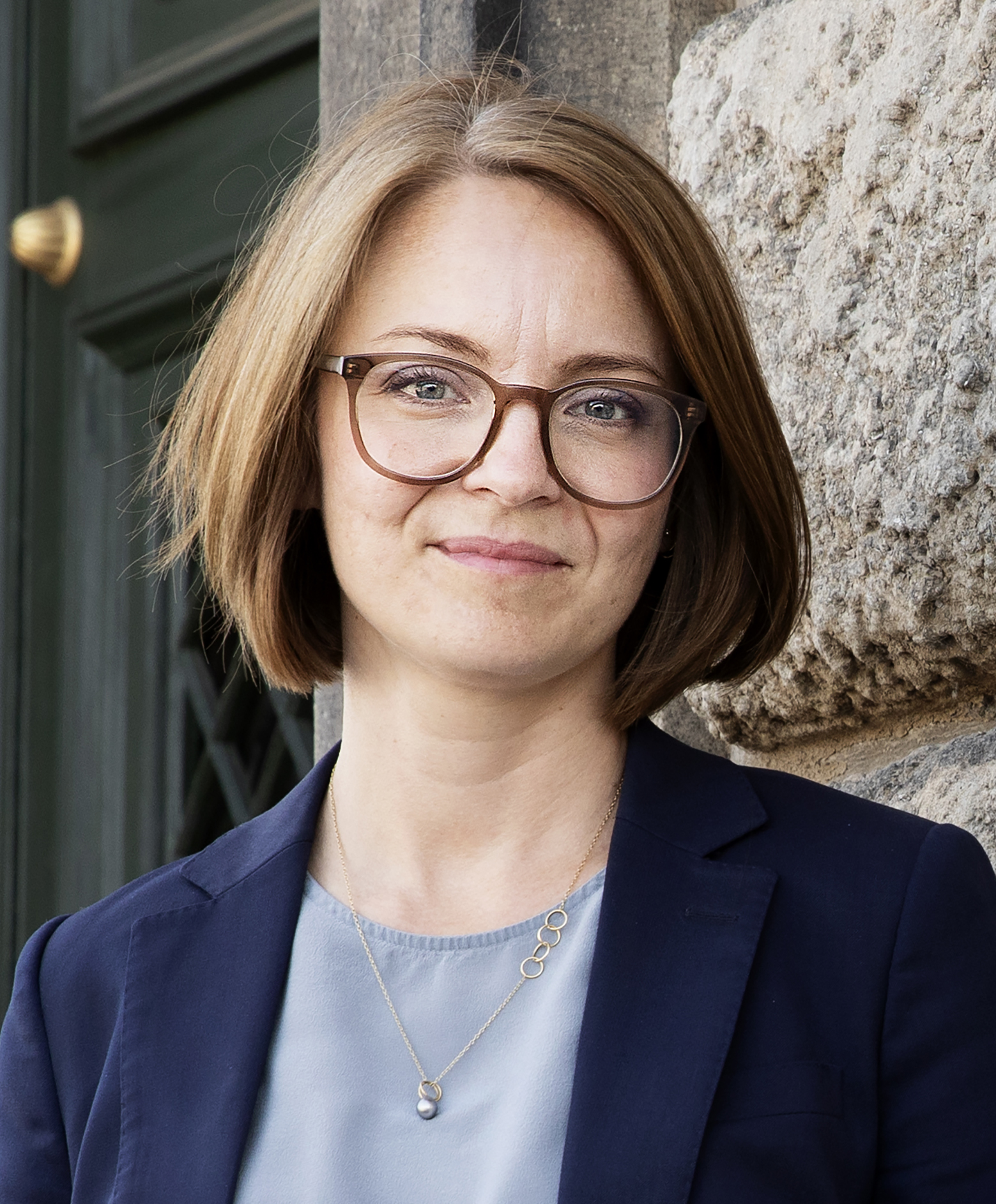
Nanna Westerby Jensen – new CEO of By & Havn
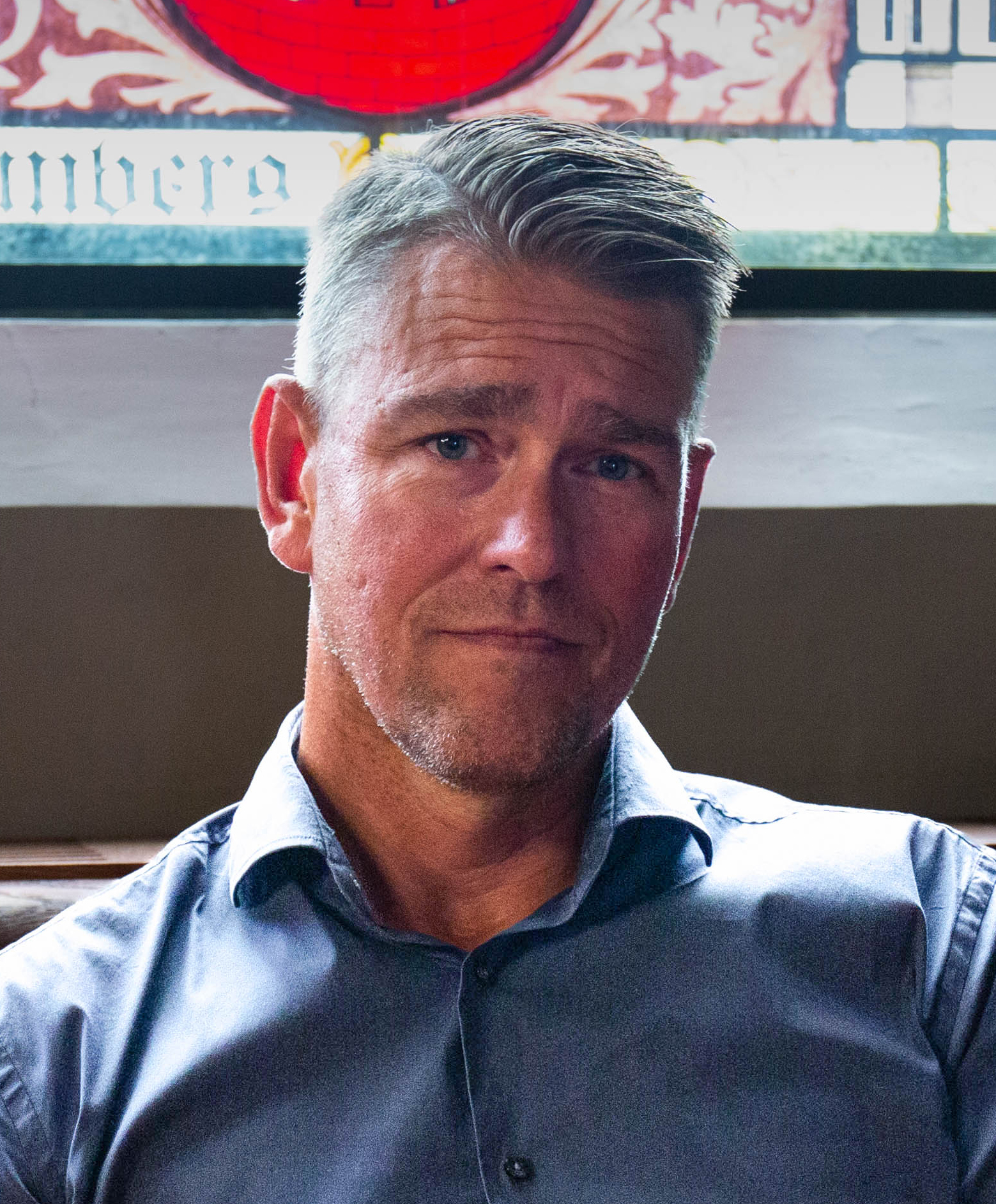
Jonas Berg – new director of preparedness at Region Skåne
More new people:
Danish-Swedish Cooperation Monika Rubin (M): Minister for Social Affairs and Minister for Nordic Cooperation. Winnie Sand: New Chief Financial Officer (CFO) at Øresundsbro Konsortiet. Åsa Melvanius: New Chief Digital Officer (CDO) at Øresundsbro Konsortiet, responsible for digitalisation and AI. Laura Thorborg: New Head of the Embassy’s Trade Department for Economic Diplomacy at the Danish Embassy in Stockholm. Danish Ministers Karina Lorentzen Dehnhardt (SF): Minister for Urban and Rural Affairs and Transport Lisbeth Bech-Nielsen (SF): Minister of Resilience and Preparedness Jeppe Bruus (S): moves from Minister for the Green Tripartite to Minister of Defence Ane Halsboe-Jørgensen (S): Minister for Employment and Gender Equality Copenhagen Nanna Westerby Jensen: New CEO of By & Havn. Sisse Marie Welling (SF): Copenhagen’s new Lord Mayor. Andreas Keil (S): New Mayor for Employment, Integration and Business in Copenhagen. Annemarie Munk Riis: Appointed new CEO of Innovation District Copenhagen in March. Lars Weiss: Became Director of Urban Development at Urban Partners in Copenhagen in March. Eastern Denmark Lars Gaardhøj (S): Chair of the Regional Council of the future Region Østdanmark. Jens Gordon Clausen: Regional Director of the future Region Østdanmark. Lisbeth Iversen: Director of Regional Development at the future Region Østdanmark. Skåne och Malmö Jonna Myrebris: Appointed new Regional Director of Region Skåne and took up the post on 11 December. Jonas Rosenkvist: Appointed new City Director of the City of Malmö. Lena Philipson: Sydsvenskan’s new Editor-in-chief.
News About Organisations
ORGANISATIONS. The report reviews some 50 organisations, collaborations and groups, with a focus on Danish-Swedish and/or Nordic cooperation. Some news items:
- At the turn of the year the Capital Region of Denmark and Region Zealand merge to form Region Østdanmark (read more above).
- Interreg Öresund-Kattegat-Skagerrak enters the final year of its current programme period. A total of 15 projects applied for EUR 16.8 million in the latest round.
- The German-Danish-Swedish-Norwegian cooperation organisation STRING, which focuses on infrastructure and connectivity and on strengthened competitiveness from Hamburg up to Oslo, has been reorganised as a non-commercial Danish association with an office in Copenhagen. A new strategy is to be adopted this autumn.
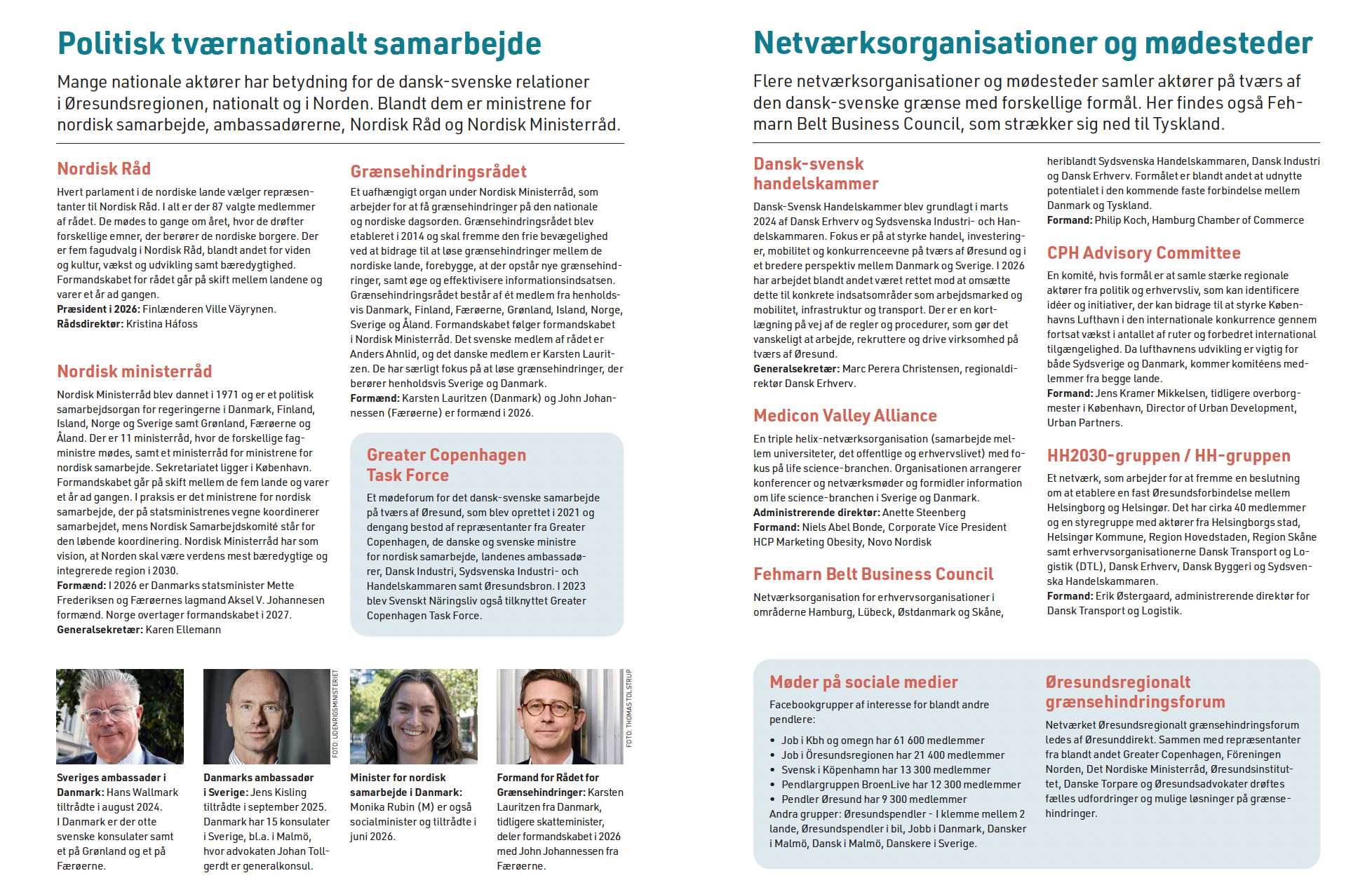
All the organisations and collaborations listed:
Greater Copenhagen STRING Megaregion Interreg ÖKS Helsingborg-Elsinore Cooperation Malmö–Copenhagen Cooperation The Nordic Council The Nordic Council of Ministers The Nordic Freedom of Movement Council Greater Copenhagen Task Force The Danish-Swedish Chamber of Commerce Medicon Valley Alliance Fehmarn Belt Business Council CPH Advisory Committee HH2030 Group / HH Group Øresund Regional Border Obstacles Forum Gate 21 Øresundsadvokater Øresundsmetro Executive Swedish-Danish Friendship Group Øresunddirekt Info Norden Øresundsinstituttet Sund & Bælt Holding A/S Femern A/S A/S Femern Landanlæg A/S Øresund Svedab – Svensk-danska broförbindelsen Øresundsbro Konsortiet Öresundståg AB VR Sverige (formerly Arriva Sverige) By & Havn Copenhagen Malmö Port Öresundslinjen Bornholmslinjen/Molslinjen Dansk-Svensk Kulturfond Svensk-Danska kulturfonden Fondet for Dansk-Svensk Samarbejde Nord 55° ESS (European Spallation Source ERIC) Centre for Öresund Region Studies Centre for Modern European Studies (CEMES) SweDen Student